Sound art and installations
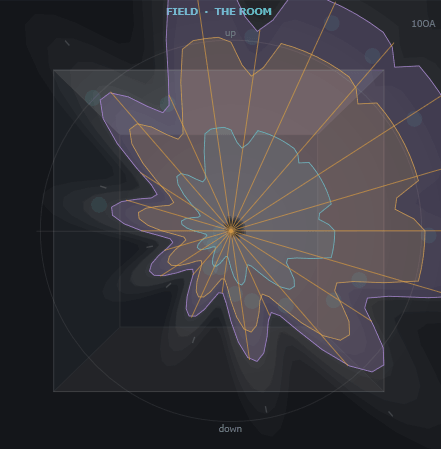
An installation is a room somebody walks into. The field has to work from everywhere in it, not from one sweet spot, and it has to hold its shape while a person moves through it. That is a different problem from a mix, and it is where the need for tools that shape a field rather than merely place sources in one first became obvious.
Game audio
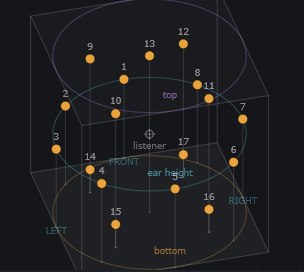
Years of Wwise and Unity work leaves you with a particular set of expectations: that a room is an object, that sources know where they are, that occlusion and portals are things the system handles rather than things you automate by hand. Coming back to a DAW after that feels like losing a limb.
Beacon, Scene and Stage are that expectation brought inside the DAW — one shared world, with beacons publishing positions and a stage holding the listener and the room they all live in — which is where audio drama and film actually get made.
Audio drama
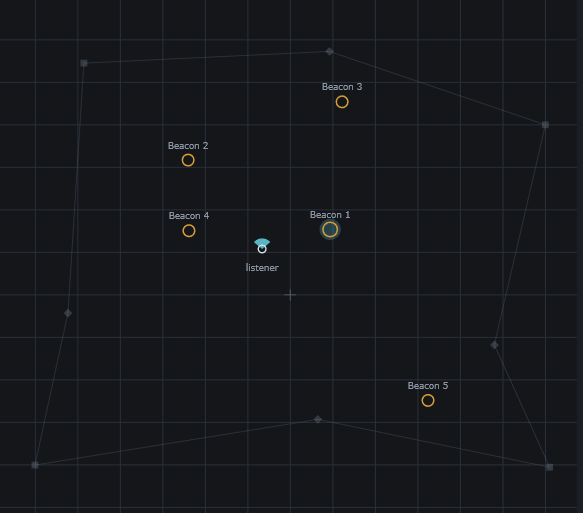
Drama is where spatial audio stops being a technical exercise. A scene needs a voice to be close, then heard through a wall, then in the room again, and it needs those changes to be shaped over a timeline with intent. Not accurate. Convincing.
Which is why physics here is the starting point rather than the law. The accuracy is what makes the departures work.

Objects and ambisonics together
Real work is never purely one or the other. A recording of a place, a few placed sources, a reverb that has to cover both. Splitting those into two incompatible worlds is a technical convenience, not a creative one, so the end-point plugins handle them together.
Immersive storytelling through sound
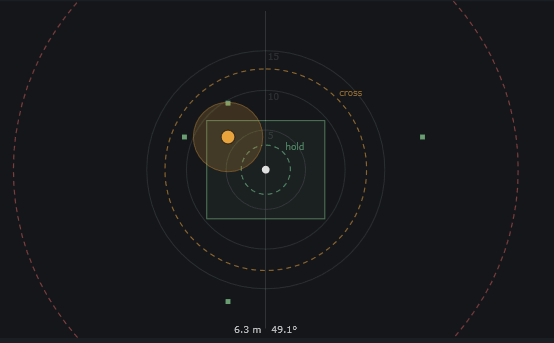
All of it comes back to the same thing: making somebody feel that they are somewhere. Every decision in this suite — the three tiers, the tenth order, the insistence on drawing what a control does — exists because it made that easier to do.